


Filipinos should talk about health and accidents more, so here are some personal finance tips for Filipinos.
Let’s face it, there are a lot of surfacing issues with regard to health and accidents, and we have no control over our lives. We don’t know when a disease or accident might hit us.
We are not certain about anything else in this world, and what’s alarming is the saying ‘Filipinos are one hospitalization away from debt and poverty’ becoming a reality for most Filipinos.
If you come to think of it, it’s true tho. We are one accident away from being buried in debt because of many factors. Low income, no savings, no health care insurance, and lack of help from the government.
But why are these kinds of topics considered taboo? I know people who will gossip about what happened to a certain person, what kind of medical mishap they endured and how tragic it is, but I seldom see people proactively talking and discussing building an emergency fund, what’s the best insurance to get, or what HMO is worth getting.
In this post, I’m going to share some personal finance tips for Filipinos to avoid accidents whether in terms of finance or health. Here are some tips or ways to help you be prepared for future diseases and accidents.
Table of Contents
Why don’t Filipinos want to talk about health and accident prevention?
Filipinos don’t want to talk about health and accident prevention because of myths and superstitious beliefs. When a person suddenly gets health problems, they will blame the insurance policy they recently got. They say getting an insurance policy attracts bad things as if it’s a bad omen.
Filipinos don’t want to talk about health and accident prevention because they don’t want to dwell on the bad things; they don’t want negativity.
Personal Finance Tips for Filipinos
1. Build your emergency fund: Personal Finance Tips for Filipinos

This is a no-brainer personal finance tips for Filipinos. You have to have an emergency fund, not just for accidents, but also for other types of calamities that are inevitable. Take, for example, the COVID-19 pandemic, where we were forced to have a house quarantine. A lot of Filipinos got paralyzed because most of us live on a daily-basis income.
Ideally, an Emergency Fund is an amount of money equal to a 3-6 months’ salary to sustain your need in case you can’t work for a few weeks or months. Personally, for me, I aim for 6-months worth of monthly gross salary.
Setting up an Emergency Fund is not easy, and you have to acknowledge that.
When you decide to build an emergency fund, you have to be disciplined and serious about it. You should set a specific amount to save. Compute your 6 months’ worth of salary or expenses and adjust your budget. Start small with your next payout, save 10% of your salary, or even less if you really have less to work with.
Payout after payout, you’ll see that your savings have grown.
Filipinos often get confused between building an emergency fund and building their own savings. When they see numbers constantly increasing in their bank accounts, the urge for them to spend it increases.
You have to set specific events and emergencies for which you can use the funds. Those specifics should be written down as a guide. Emergencies like hospitalizations, medications, and calamities are definitely one of those emergencies.
Having fashion emergencies is not included. If you have to go to a formal event but don’t have anything to wear, that’s not it. Sorry, that’s not an emergency.
2. Get insurance: Personal Finance Tips for Filipinos

Personally, I am all for getting insurance. It doesn’t matter whether it’s the best insurance in the Philippines or just covers parts of the bill; you have to get insurance coverage for peace of mind and as a financial safety net.
Not everyone has private insurance, and that is just very unfortunate, and this prevents Filipinos from seeking medical help when needed.
Recently, we had someone from the family admitted to a hospital, and our hospital bill went up to Php30,000 for a 4-day stay (medicines not included). Thankfully, my mother is working in government, and she has insurance, which reduced our bill to Php15,000~.
Most Filipinos still see that as a huge amount of money, but we’re just still so thankful that our bill was almost cut in half. I cannot stress enough how important insurance is for everyone.
There are a lot of insurance companies out there, and you have to be careful in choosing the best insurance depending on your needs and budget.
In choosing the best insurance in the Philippines, it is always necessary to do due diligence and research. Always ask questions. I will share my journey on finding the best insurance in the Philippines and share some tips here.
3. Regular checkup and routine bloodwork: Personal finance tips for Filipinos
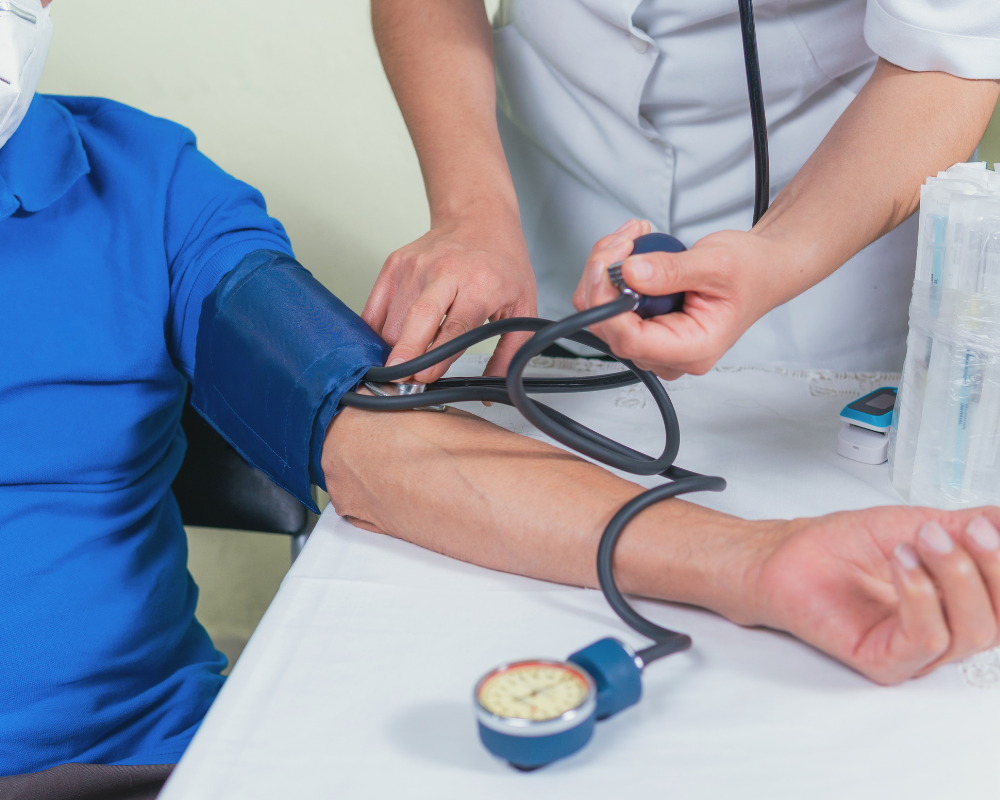
I am a firm believer of the saying ‘prevention is better than cure’ and, to be honest, there’s nothing wrong if you live by that principle.
I think the common misconception of every Filipinos is that regular checkup is a waste of money.
I know not everyone can afford a physician visit on a regular basis, but it is necessary. As mentioned above, you can get a small amount from your Emergency Fund if you really don’t have spare savings solely for checkups. Fortunately, the Philippine government already has PhilHealth’s YAKAP program where checkups, test procedures, and medicines are covered.
Other Topics
Christmas in Tarlac: 6 Local Traditions and Holiday Fun You Can’t Miss
Best Hotels in Tarlac City: Where to stay in Tarlac City: Best hotels for every travelers
If you want to work outside: 8 Work-Friendly Cafes in Tarlac City